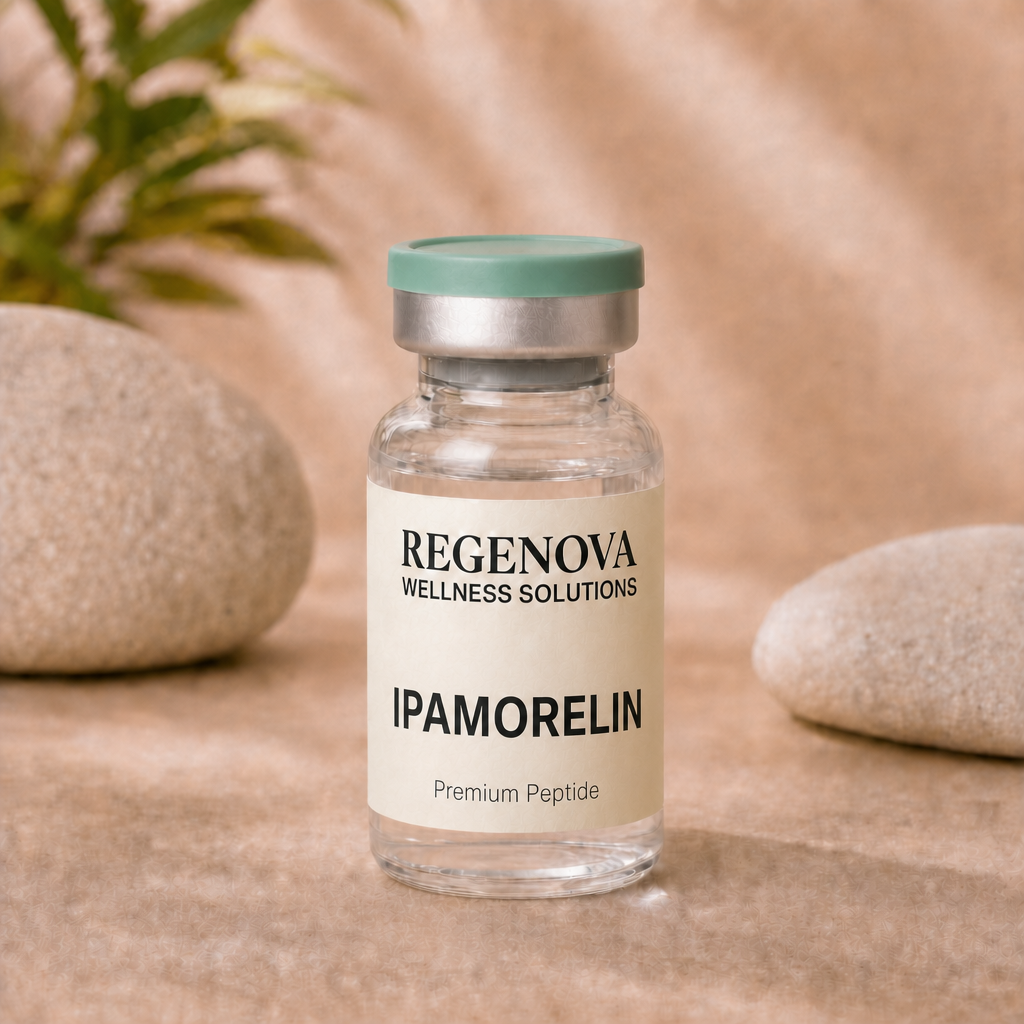

CJC-1295 + Ipamorelin
Purpose: The most popular GH peptide combination for body composition and recovery.
Peptide
Primary Role
CJC-1295
Stimulates natural growth hormone release over a longer duration
Ipamorelin
Stimulates GH pulses with minimal effects on cortisol and prolactin
Potential Benefits
Support lean muscle development
Promote fat loss
Improve recovery from exercise
Improve sleep quality
Support collagen synthesis
Improve bone health
Healthy aging support
Best Candidates
Adults with age-related decline in GH secretion
Athletes
Body recomposition programs
Individuals recovering from intense training
Why This Stack Is Popular
Both peptides act through complementary mechanisms, potentially producing a larger physiologic GH pulse than either peptide alone while minimizing unwanted hormonal effects
Administration
CJC-1295 / Ipamorelin is commonly discussed within wellness settings as:
Subcutaneous injection
Scheduled peptide cycling protocols
Treatment plans are individualized according to patient-specific wellness goals and provider recommendations.

Tirzepatide
Tirzepatide is a dual GIP and GLP-1 receptor agonist designed to support advanced metabolic and weight management goals. Unlike traditional GLP-1 therapies alone, tirzepatide targets both glucose-dependent insulinotropic polypeptide (GIP) and GLP-1 pathways to provide broader metabolic support.
Brand medications associated with tirzepatide include:
Mounjaro®
Zepbound®
Mechanism of Action
Tirzepatide works through dual receptor activity that may support:
Appetite suppression
Satiety signaling
Blood sugar regulation
Insulin sensitivity
Reduced caloric intake
Metabolic efficiency
The combined GIP and GLP-1 receptor activity has generated significant interest in advanced metabolic wellness and body composition management.
Potential Benefits
Potential benefits associated with tirzepatide therapy may include:
Significant appetite reduction
Weight management support
Improved insulin sensitivity
Reduced food cravings
Metabolic optimization
Cardiometabolic wellness support
Body composition improvement
Areas of Clinical Interest
Tirzepatide is increasingly utilized within wellness programs focused on:
Weight management
Metabolic syndrome support
Blood sugar regulation
Lifestyle optimization
Long-term metabolic health
Administration
Tirzepatide is commonly administered as:
Once-weekly subcutaneous injection
Treatment protocols are individualized based on patient-specific wellness goals and provider guidance.

Semaglutide
Semaglutide is a GLP-1 (glucagon-like peptide-1) receptor agonist designed to mimic naturally occurring incretin hormones involved in glucose regulation and appetite signaling. Semaglutide works by stimulating GLP-1 receptors that help regulate hunger, insulin secretion, gastric emptying, and blood sugar balance.
Semaglutide has become one of the most widely recognized peptide therapies for metabolic support and chronic weight management.
Brand medications associated with semaglutide include:
Ozempic®
Wegovy®
Mechanism of Action
Semaglutide may help support metabolic health through several pathways, including:
Delaying gastric emptying
Promoting satiety and fullness
Reducing appetite and food cravings
Supporting insulin release in response to meals
Reducing glucagon secretion
Supporting blood sugar balance
These combined effects may help support sustainable caloric reduction and long-term metabolic wellness.
Potential Benefits
Potential benefits associated with semaglutide therapy may include:
Weight management support
Reduced appetite and cravings
Improved portion control
Support for healthy blood sugar regulation
Metabolic wellness support
Cardiometabolic health support
Body composition improvement
Individual results may vary based on lifestyle, nutrition, activity level, and treatment adherence.
Areas of Clinical Use
Semaglutide has been utilized within programs focused on:
Chronic weight management
Metabolic health optimization
Type 2 diabetes management
Appetite regulation
Wellness and longevity support
Administration
Semaglutide is typically administered as:
Once-weekly subcutaneous injection
Dosing protocols are individualized and generally escalated gradually to support tolerability and patient response.