Weight Loss Management
Elevated Weight Management, Guided by Science.
Regenova offers provider‑guided GLP‑1 and non‑GLP‑1 programs with personalized protocols designed to support consistent habits and help you make meaningful progress. Each plan is tailored to your needs, focusing on responsible treatment options, structured routines, and clear guidance to help you maximize results safely.
Featured Products
Tirzepatide
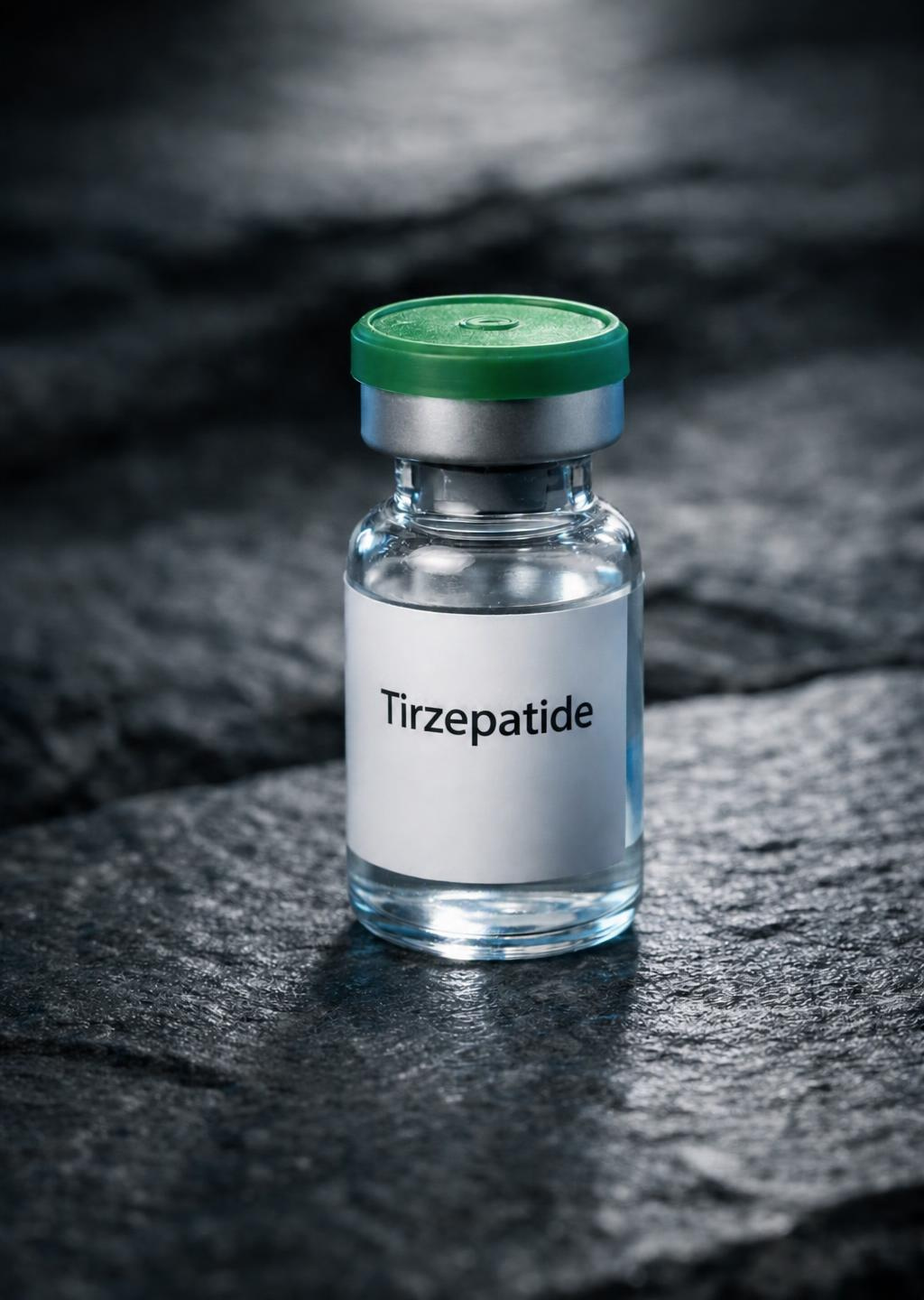
Tirzepatide is a dual GIP and GLP-1 receptor agonist designed to support advanced metabolic and weight management goals. Unlike traditional GLP-1 therapies alone, tirzepatide targets both glucose-dependent insulinotropic polypeptide (GIP) and GLP-1 pathways to provide broader metabolic support.
Brand medications associated with tirzepatide include:
Mounjaro®
Zepbound®
Mechanism of Action
Tirzepatide works through dual receptor activity that may support:
Appetite suppression
Satiety signaling
Blood sugar regulation
Insulin sensitivity
Reduced caloric intake
Metabolic efficiency
The combined GIP and GLP-1 receptor activity has generated significant interest in advanced metabolic wellness and body composition management.
Potential Benefits
Potential benefits associated with tirzepatide therapy may include:
Significant appetite reduction
Weight management support
Improved insulin sensitivity
Reduced food cravings
Metabolic optimization
Cardiometabolic wellness support
Body composition improvement
Areas of Clinical Interest
Tirzepatide is increasingly utilized within wellness programs focused on:
Weight management
Metabolic syndrome support
Blood sugar regulation
Lifestyle optimization
Long-term metabolic health
Administration
Tirzepatide is commonly administered as:
Once-weekly subcutaneous injection
Treatment protocols are individualized based on patient-specific wellness goals and provider guidance.
Semaglutide
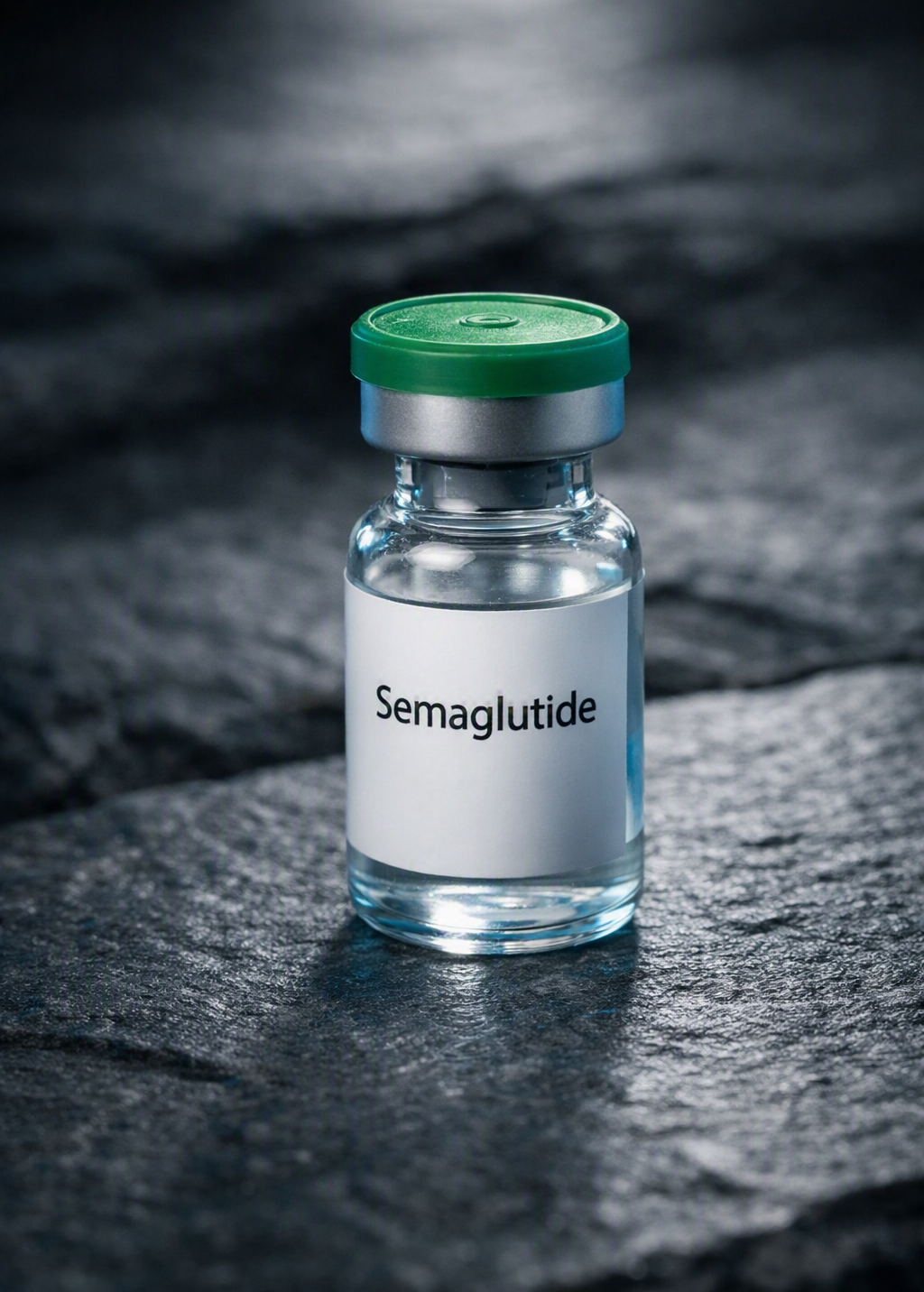
Semaglutide is a GLP-1 (glucagon-like peptide-1) receptor agonist designed to mimic naturally occurring incretin hormones involved in glucose regulation and appetite signaling. Semaglutide works by stimulating GLP-1 receptors that help regulate hunger, insulin secretion, gastric emptying, and blood sugar balance.
Semaglutide has become one of the most widely recognized peptide therapies for metabolic support and chronic weight management.
Brand medications associated with semaglutide include:
Ozempic®
Wegovy®
Mechanism of Action
Semaglutide may help support metabolic health through several pathways, including:
Delaying gastric emptying
Promoting satiety and fullness
Reducing appetite and food cravings
Supporting insulin release in response to meals
Reducing glucagon secretion
Supporting blood sugar balance
These combined effects may help support sustainable caloric reduction and long-term metabolic wellness.
Potential Benefits
Potential benefits associated with semaglutide therapy may include:
Weight management support
Reduced appetite and cravings
Improved portion control
Support for healthy blood sugar regulation
Metabolic wellness support
Cardiometabolic health support
Body composition improvement
Individual results may vary based on lifestyle, nutrition, activity level, and treatment adherence.
Areas of Clinical Use
Semaglutide has been utilized within programs focused on:
Chronic weight management
Metabolic health optimization
Type 2 diabetes management
Appetite regulation
Wellness and longevity support
Administration
Semaglutide is typically administered as:
Once-weekly subcutaneous injection
Dosing protocols are individualized and generally escalated gradually to support tolerability and patient response.
Important Safety and Information and Common Side Effects
Semaglutide is a GLP-1 receptor agonist designed to support appetite regulation, blood sugar balance, and weight management. By mimicking naturally occurring GLP-1 hormones, Semaglutide may help reduce hunger signals, improve satiety, and support sustainable metabolic health goals.
Semaglutide
Potential benefits may include:
Appetite control
Reduced food cravings
Weight management support
Improved metabolic balance
Support for healthy blood sugar regulation
Potential Side Effects may include:
Nausea (most common, especially early)
Decreased appetite
Constipation or diarrhea
Fatigue
Tirzepatide
Tirzepatide is a dual GIP and GLP-1 receptor agonist developed to support advanced metabolic and weight management goals. By targeting multiple metabolic pathways, tirzepatide may provide enhanced support for appetite control, insulin sensitivity, and body composition management
Potential benefits may include:
Enhanced appetite suppression
Metabolic optimization
Weight management support
Improved insulin sensitivity
Support for long-term wellness goals
Potential Side Effects may include:
Nausea (most common, especially early)
Decreased appetite
Constipation or diarrhea
Fatigue
Note: These products alone are not intended to diagnose, treat, cure, or prevent any disease. Please consult a medical professional to determine whether or not GLP-1 medications could be appropriate for you.
Frequently Asked Questions
Still have questions? Take a look at the FAQ or reach out anytime. If you’re feeling ready, go ahead and apply.
-
· Most users notice appetite changes within the first week, with measurable weight loss of 5% typically achieved by weeks 8 to 12, though specific timelines vary across individuals. Maximum effects occur at maintenance dosing, with average losses of 15% at one year.
-
Clinical data shows most individuals regain a significant amount of lost weight within 1 to 2 years of discontinuation. Sustainable lifestyle changes during treatment improve long-term outcomes.
-
· Eat smaller, more frequent meals; avoid fatty or greasy foods; stay hydrated; eat slowly; and avoid lying down immediately after eating. Nausea typically improves after 4–8 weeks at each dose level.If appropriate, a licensed provider may recommend peptide‑supported wellness strategies as part of your plan.
-
Tirzepatide activates both GIP and GLP-1 receptors, while semaglutide targets only GLP-1 receptors. Head-to-head trials (SURPASS-2) show tirzepatide produces greater weight loss and HbA1c reduction at all doses compared to semaglutide 1 mg weekly.
-
Most people notice appetite changes within the first week, with measurable weight loss within 2-4 weeks. Significant results of 10%+ body weight reduction require 12-24 weeks of consistent treatment. Maximum weight loss typically occurs by 52-72 weeks.
-
· : If fewer than 4 days (96 hours) have passed since the missed dose, administer it immediately. If more than 4 days have passed, skip the missed dose and resume your regular weekly schedule. Do not double dose.
-
Yes. The SURMOUNT trials enrolled non-diabetic obese individuals and demonstrated both safety and efficacy. The risk of hypoglycemia is minimal without concurrent glucose-lowering medications such as insulin or sulfonylureas.
-
· Rapid weight loss typically involves some lean mass reduction. <Hl>Studies suggest 25-40% of weight lost with tirzepatide may be lean mass. </Hl> Adequate protein intake (1.2-1.6 g/kg body weight) and resistance exercise are strongly recommended to preserve muscle during treatment.
-
Item descriptioEating smaller, more frequent meals, avoiding high-fat foods, staying well hydrated, and eating slowly all help reduce nausea. If symptoms are severe, extending the titration schedule or temporarily reducing the dose may provide relief. Most nausea improves as the body adjusts.
-
· Triple receptor agonists weight loss peptide that activates three hormone receptors involved in appetite, metabolism, and blood sugar regulation.
·
-
· GLP-1 receptor helps: Reduce appetite, increase fullness, slow stomach emptying improve insulin secretion, lower blood sugar. GIP receptor may: Enhance insulin release after meals, improve insulin sensitivity, complement GLP-1's effects on appetite and metabolism. Glucagon receptor activation may: Increase energy expenditure, promote fat oxidation, enhance calorie burning, and support liver fat reduction.
-
Retatrutide does everything tirzepatide does, plus it may increase calorie burning and fat oxidation through glucagon receptor activation.
-
Week 1–4: Appetite reduction, earlier fullness, Week 4–8: Initial weight loss becomes noticeable, Month 2–4: Continued steady weight loss, and Month 6–12: Maximum effects continue to develop.
-
Early clinical trials suggest that retatrutide may produce greater average weight loss than tirzepatide, but there have not been large head-to-head Phase 3 trials proving superiority.